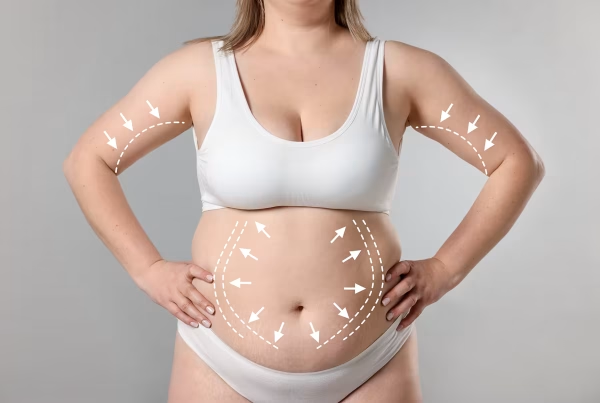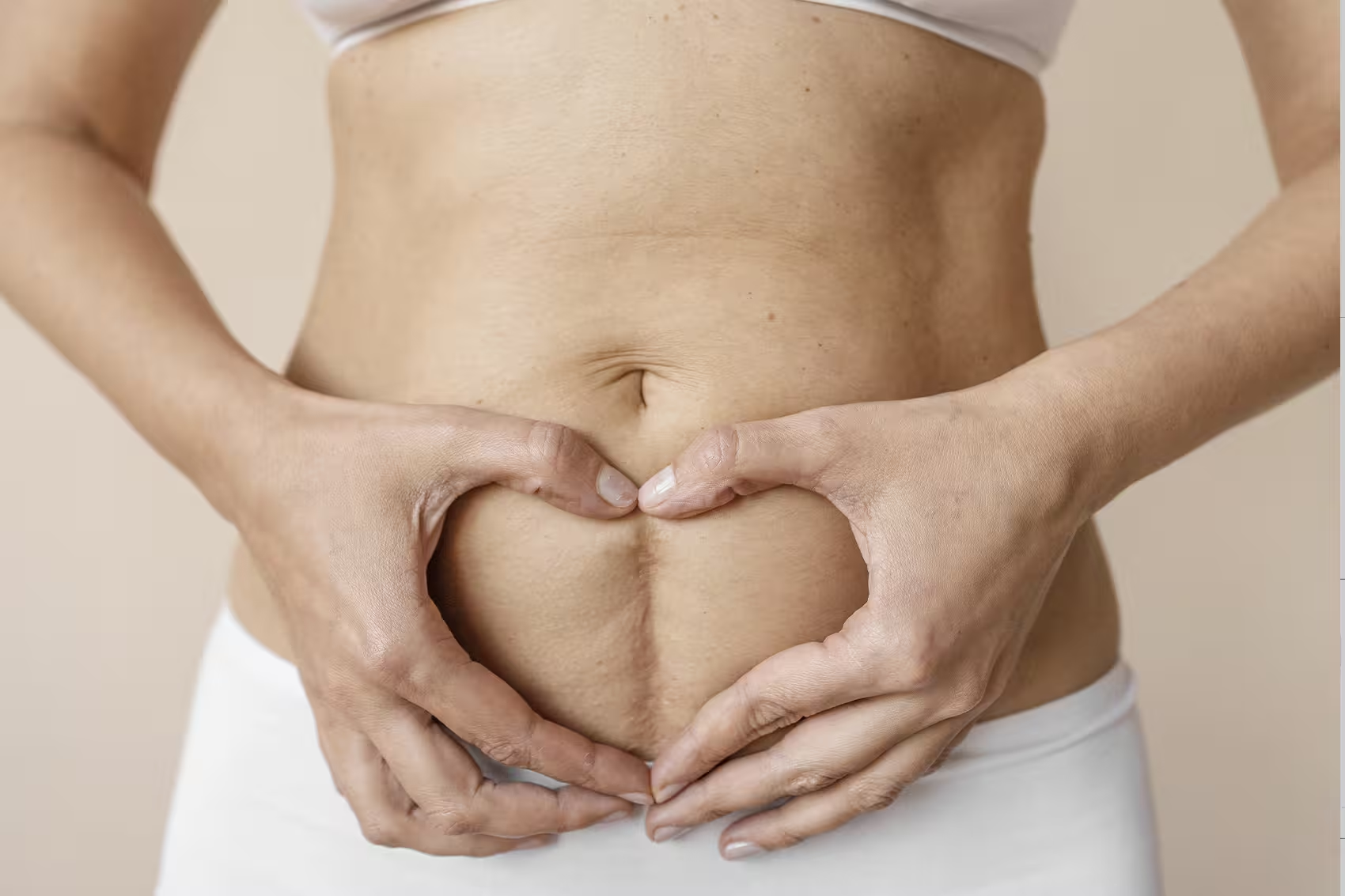
This tummy tuck Turkey guide explains how a tummy tuck (abdominoplasty) works, who it suits, what recovery looks like, and what to ask before you choose a surgeon in Istanbul. Many people research this surgery after pregnancy or major weight loss, when diet and exercise no longer change the shape of their stomach. A tummy tuck removes excess skin and some fat from the abdomen and, when needed, tightens abdominal muscles that have separated.
The guide is written by the team of Prof. Dr. Özgür Pilancı, a plastic surgeon in Istanbul. It is general information, not medical advice. Your own plan depends on a personal assessment.
What Is a Tummy Tuck (Abdominoplasty)?
In a standard tummy tuck, the surgeon makes a low horizontal incision across the lower abdomen, usually placed so it can sit under underwear or swimwear. The skin and fat are lifted, loose abdominal muscles are tightened with sutures if they have separated, excess skin is removed, and the navel is brought out through a new opening in its natural position.
A tummy tuck is different from liposuction. Liposuction removes fat but does not remove loose skin or repair muscles. A tummy tuck deals with skin and the muscle wall. The two are often combined; see the section on tummy tuck with liposuction below.
A tummy tuck is not a weight loss operation. It reshapes the abdomen for people who are close to a stable, healthy weight.
Who Is a Good Candidate for a Tummy Tuck in Istanbul?
The right candidate is usually someone with loose abdominal skin, separated abdominal muscles (diastasis recti), or both, who has not been helped by exercise or diet. Your surgeon will confirm this at an assessment.
You may be a good candidate if you:
- Have loose or hanging abdominal skin after pregnancy or weight loss
- Have a bulge in the middle of the abdomen caused by separated muscles
- Are at or near a stable weight that you can maintain
- Do not smoke, or can stop completely before and after surgery as your surgeon advises
- Are in good general health and have realistic expectations
- Have finished having children, or understand that a future pregnancy can affect the result
A tummy tuck may not be suitable if you:
- Still plan to lose a significant amount of weight
- Plan future pregnancies in the near term
- Smoke and cannot stop
- Have health conditions that raise surgical risk or slow wound healing, until they are controlled
Diastasis Recti: Why Exercise Does Not Always Fix It
Diastasis recti is a widening of the gap between the two vertical “six-pack” muscles (rectus abdominis). During pregnancy, the connective tissue between them (the linea alba) stretches and thins. After birth, some people recover well. Others are left with a persistent bulge or a weak feeling in the core.
Physiotherapy and targeted core training help many people with mild separation. When the gap is wide and the tissue stays stretched, exercise often cannot bring the muscles back together. In a tummy tuck, the surgeon repairs this with internal sutures, a step called plication.
Repairing the muscle wall can improve how the abdomen looks and how the core feels. Some patients also report less lower back discomfort, but this varies from person to person and is not guaranteed.
Types of Tummy Tuck: Full, Mini and Extended
Not every tummy tuck is the same. The right type depends on where your excess skin is and whether you need muscle repair.
Full tummy tuck
The most common type. It treats skin above and below the navel, repairs the muscles if needed, and repositions the navel. It is often chosen after pregnancy or significant weight loss.
Mini tummy tuck in Turkey
A mini tummy tuck uses a shorter incision and treats only the area below the navel. It suits people with limited loose skin in the lower abdomen and little muscle separation above the navel. Many people with a small skin “shelf” above a C-section scar ask about this option.
Extended tummy tuck
The incision extends toward the sides of the body to treat loose skin on the flanks as well. It is more common after major weight loss.
| Type | Treats | Muscle repair | Navel repositioned |
|---|---|---|---|
| Mini | Lower abdomen below the navel | Limited | Usually no |
| Full | Whole front of the abdomen | Yes, if needed | Yes |
| Extended | Abdomen and flanks | Yes, if needed | Yes |
Your surgeon will recommend the type after examining you. The names above are a guide, not a fixed menu.
Tummy Tuck With Liposuction
Many patients have a tummy tuck with liposuction in the same operation. Liposuction can refine areas such as the flanks, upper abdomen or back, while the tummy tuck handles skin and muscle. Combining procedures can add to operating time and recovery demands, so your surgeon will decide what is safe for your health and anatomy.
Some patients also combine a tummy tuck with breast surgery as part of a “mommy makeover”. See our breast aesthetics page and body contouring page for related procedures.
How the Tummy Tuck Procedure Works
A tummy tuck is performed under general anaesthesia in a hospital. The length of surgery depends on the type and any added procedures.
- The surgeon marks the incision and the areas to treat while you are standing
- After anaesthesia, the low horizontal incision is made
- The skin and fat are lifted from the abdominal wall
- If needed, the separated muscles are brought together with sutures
- Excess skin is removed and the navel is repositioned
- The incisions are closed in layers; drains may be placed
- A compression garment is fitted
Most patients stay in hospital for at least one night for monitoring, as advised by the surgical team.
Before You Travel: Preparation Checklist
- Share your medical history, medications and previous operations, including C-sections
- Stop smoking and nicotine as your surgeon instructs
- Ask which medicines and supplements to stop before surgery (such as aspirin and anti-inflammatories)
- If you use weight loss injections such as GLP-1 medicines, tell your surgeon and anaesthetist; they will advise on timing
- Plan help at home for the first weeks after you return
- Plan your stay in Istanbul so you do not fly home too early (ask your surgeon how long to stay)
Tummy Tuck Recovery: What to Expect
Recovery is the part of a tummy tuck that surprises patients most. The timeline below is a general guide. Your surgeon’s instructions always come first.
| Time | What many patients experience |
|---|---|
| First days | Soreness, tightness and swelling. Walking slightly bent forward is common. Short, gentle walks are usually encouraged to support circulation. |
| Week 1–2 | Swelling and bruising are most noticeable. Drains, if used, are removed on your surgeon’s schedule. Many people feel tired. |
| Week 3–4 | Walking becomes easier and many people stand straighter. No heavy lifting or strenuous exercise. |
| Week 6 onward | Many return to light daily routines, with your surgeon’s approval. Swelling continues to settle. |
| 2–3 months | Gradual return to exercise, including abdominal exercise, once your surgeon clears it. |
| 6–12 months | Most swelling has gone and the shape settles. Scars keep maturing for a year or longer. |
Time off work depends on your job and healing. Desk work is possible earlier than physical work. Wearing the compression garment as advised, avoiding lifting, and attending follow-up checks all help.
Tummy Tuck Scar: What to Expect
A tummy tuck leaves a permanent scar. It is placed low so it can usually be covered by underwear or swimwear. At first it looks red and raised. Over many months it typically flattens and fades, but how it heals depends on your skin, your surgery and how you care for it.
- Follow your surgeon’s wound care instructions
- Protect the scar from the sun while it matures
- Ask your surgeon about silicone sheets or gel and when to start
- Avoid tension on the wound while it heals
No surgeon can promise an invisible scar. Be cautious of anyone who does.
How Long Do Tummy Tuck Results Last?
Removed skin and fat cells do not grow back, and muscle repair is made with sutures intended to be long-lasting. Results can last many years, but they are not guaranteed. Significant weight gain or pregnancy can change the result. Keeping a stable weight is the best way to protect your outcome.
Tummy Tuck Risks and Safety
A tummy tuck is major surgery. Risks include bleeding, infection, poor wound healing (especially in smokers), fluid collection under the skin (seroma), blood clots, changes in skin sensation, scarring, asymmetry, and anaesthetic risks. Your surgeon will explain these in detail and how they reduce them, for example with early walking, compression and careful patient selection.
Choose a surgeon who operates in a licensed hospital, explains risks openly, and is available for follow-up after you return home.
Tummy Tuck After Weight Loss and GLP-1 Medicines
Large weight loss, whether through surgery, diet or medicines, can leave loose skin that does not tighten by itself. A tummy tuck can remove that skin once your weight is stable. Your surgeon will want to know your weight history, current weight and any medicines you take, including GLP-1 medicines. Timing around surgery depends on your health and your doctors’ advice, so do not stop or change any medicine without medical guidance.
Tummy Tuck Cost in Turkey
The cost of a tummy tuck in Turkey depends on several things:
- The type of tummy tuck (mini, full or extended)
- Whether liposuction or other procedures are added
- The hospital and length of stay
- What the package includes, such as tests, medication, compression garments, transfers and follow-up
- The surgeon’s experience
Because every patient is different, the clinic provides a personalised quote after reviewing your photos and medical history. When comparing offers, check exactly what is included and ask who covers complications and follow-up care. The lowest price is not always the best value for major surgery.
Why Choose Istanbul for a Tummy Tuck?
Istanbul is a large medical travel destination, with hospitals used to treating international patients and direct flights from many countries. When you consider a tummy tuck in Istanbul, the decision should rest on the surgeon and hospital, not only on travel convenience or price.
What to check before you book
- Is the surgeon a qualified plastic surgeon, and can you verify it?
- Does the surgery take place in a licensed hospital, not a small unlicensed centre?
- Can you speak with the surgeon directly before travelling?
- Are results of patients with similar anatomy shown honestly, at different time points?
- What is the plan for follow-up after you go home?
- Is there English-language support during your stay?
Tummy Tuck Before and After
When you look at tummy tuck before and after photos, compare patients who started from a similar point to you, and look for photos taken at several stages. Early photos show swelling; the meaningful result appears months later. Photographs should be taken in similar lighting and positions.
You can view examples on our before and after results page. Individual results vary.
Tummy Tuck Surgeon in Istanbul
A tummy tuck surgeon in Istanbul should be able to explain which type of tummy tuck suits you and why, what the risks are, and what you can realistically expect. Prof. Dr. Özgür Pilancı is a plastic surgeon based in Istanbul. A consultation lets you discuss your goals, share photos and ask questions before deciding.
Tummy Tuck in Turkey: Frequently Asked Questions
Can a tummy tuck fix diastasis recti?
Yes. Muscle repair (plication) is a standard part of many tummy tucks and can correct separated abdominal muscles. Your surgeon will check for diastasis at your assessment.
What is the difference between a mini and a full tummy tuck?
A mini tummy tuck treats the area below the navel with a shorter incision. A full tummy tuck treats the whole abdomen, can repair muscles above the navel and repositions the navel.
Can I have a tummy tuck after a C-section?
Yes. The tummy tuck incision is usually placed low, near or at the C-section scar. Tell your surgeon about all previous abdominal surgery.
Is a tummy tuck in Turkey safe?
Safety depends on patient selection, the surgeon’s qualifications, the hospital and aftercare, not on the country alone. Verify the surgeon and the hospital, and ask about follow-up before you travel.
How long should I stay in Istanbul after a tummy tuck?
This depends on your surgeon’s advice and how you heal. Ask for a recommended stay before booking flights, and do not fly until you are cleared.
Will a tummy tuck help with back pain?
Some patients with diastasis recti notice less lower back discomfort after muscle repair, but it is not guaranteed and varies by patient.
How long until I see the final result?
Swelling goes down over the first months, and the shape continues to settle for around a year. Scars mature over a year or longer.
Can I combine a tummy tuck with liposuction or breast surgery?
Often yes. Your surgeon decides what is safe for you, based on your health, anatomy and the total length of surgery.
How much does a tummy tuck cost in Turkey?
It depends on the type of tummy tuck, added procedures, the hospital and what the package includes. You receive a personalised quote after your consultation.
Your Next Step
If you are considering a tummy tuck in Istanbul, you can request a free online consultation with Prof. Dr. Özgür Pilancı. Share your photos and questions, and the team will advise whether you may be a suitable candidate and which approach fits you.
Request a free online consultation
See also our other plastic surgery guides.
This guide is for general information and does not replace a medical consultation. Individual results vary.