Revision breast surgery Turkey patients usually search for one of two things: a safe way to replace or update breast implants that are several years old, or a way to correct a result they are not happy with. This guide explains who revision surgery is for, what it can involve, how recovery works, and what to check before you travel to Istanbul.
The guide is prepared for the patients of Prof. Dr. Özgür Pilancı and his team in Istanbul. It is based on information from the American Society of Plastic Surgeons (ASPS), the U.S. Food and Drug Administration (FDA) and the NHS. It is general information, not a diagnosis or a promise of results.
What Is Revision Breast Surgery?
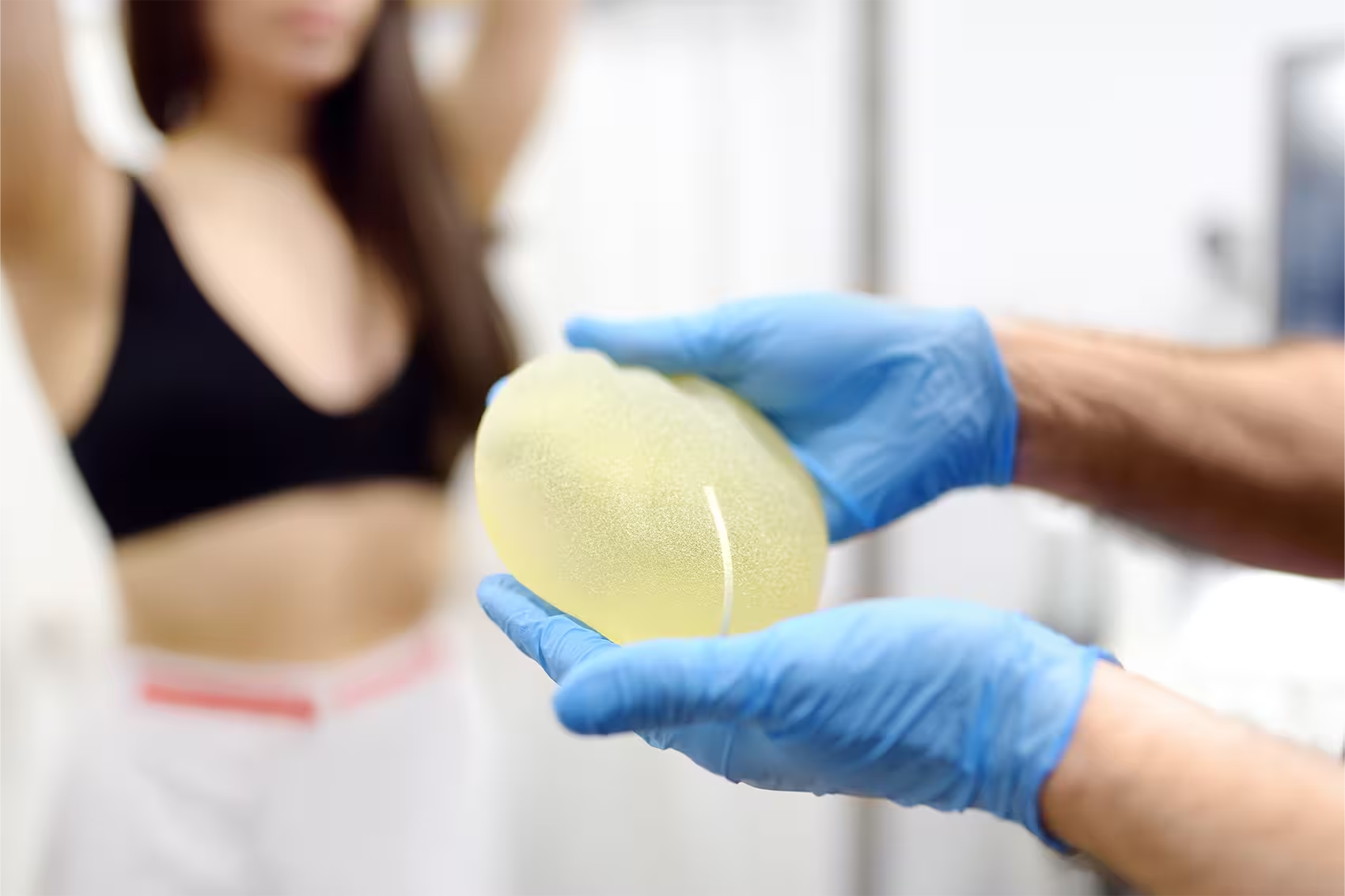
Revision breast surgery, also called breast implant revision, is a second (or later) operation on breasts that have already had implants. According to the ASPS, the goal is to replace old breast implants with new implants. Often the goal is also to change or improve the look of the breasts while the implants are updated.
Depending on your needs, the operation may include:
- Replacing one or both implants with new ones
- Changing the size, shape or style of the implant, including a change from saline to silicone or to a different style of implant
- Reshaping the implant pocket so the implant sits better on the chest
- A breast lift or a breast reduction at the same time
The ASPS stresses that breast implant revision is not a standard or routine operation. It has to be planned around your own goals and your own anatomy.
Why Do Women Choose Revision Breast Surgery?
The ASPS lists these common reasons:
- You want to change the size of your breasts
- You have pain from capsular contracture (hardening of the scar tissue around the implant)
- You are worried about rupture or movement (migration) of an implant
- You want to change from saline to silicone, or to a different style of implant
Breasts also change over time. The ASPS notes that implants can change shape or size, and the breast tissue around them can change too, so the look and feel may no longer match the original result. Pregnancy, weight loss and menopause can also affect augmented breasts.
Do Breast Implants Need to Be Replaced?
Breast implants are not guaranteed to last a lifetime. The ASPS and the NHS both say that future surgery may be needed to replace one or both implants. The ASPS adds that many manufacturers cover the implant device itself for life, but the costs of the surgery to replace it are usually no longer covered after about ten years. Because of this, many women choose to replace or update their implants around the ten-year mark.
The FDA recommends imaging checks of silicone implants with MRI or ultrasound, five to six years after placement and every two to three years after that. Rupture can be silent, meaning there may be no symptoms, so regular checks matter even if you feel fine.
Who Is a Good Candidate for Revision Breast Surgery?
The ASPS says revision is intended for patients who have had breast augmentation in the past and are now unhappy with their implants or concerned about their condition. In general you may be a good candidate if:
- You are unhappy with the size, shape or look of your implants
- You are concerned about the integrity or condition of your implants
- You are physically healthy and at a stable weight
- You have realistic expectations
- You do not smoke
If you have pain, hardening, a visible change in shape or any sign that an implant may have ruptured, do not wait for a holiday or a travel date. Ask a board-certified plastic surgeon to assess it as soon as you can.
How Is Revision Breast Surgery Performed?
The ASPS describes the procedure in four steps.
Step 1: Anesthesia
Medication is given for your comfort. The options are intravenous sedation or general anesthesia, and your surgeon recommends the best choice for you.
Step 2: The Incision
The incision depends on what is being done. It can include the crease under the breast (inframammary), a breast lift pattern (vertical or Wise pattern), or an incision partly or fully around the areola (peri-areolar).
Step 3: Closing the Incisions
Sutures, skin adhesives, tapes or clips close the skin.
Step 4: Seeing the Results
The final result is hidden at first by swelling and becomes clearer as healing continues.
How to Prepare Before You Travel
- Collect your original surgery records: the date, the implant type, size, brand and, if you have it, the implant card
- Note your symptoms: pain, hardening, change in shape, or any change in sensation
- Bring the results of any recent MRI or ultrasound
- List your medications, allergies and previous operations
- Tell the team if you smoke, and be ready to stop as advised
- Prepare your questions (see the checklist below)
Recovery After Revision Breast Surgery
The ASPS says recovery depends on the details of your operation, so your surgeon gives you personal instructions. In general:
| Topic | What the ASPS says |
|---|---|
| Dressings | Gauze or bandages may be applied to the incisions |
| Support garment | Depending on the surgery, you may or may not wear a support bra or similar garment |
| Drains | In some cases a small, thin tube is placed temporarily under the skin to drain extra blood or fluid |
| Instructions | You receive guidance on wound care, medication, warning signs to watch for, and follow-up visits |
| Healing | Healing continues for several weeks as swelling goes down |
Ask your surgeon when you can shower, when you can return to normal activity and exercise, and when your follow-up visit is. Plan your flight home around these answers, not the other way round.
Risks and Safety of Revision Breast Surgery
Every operation carries risk. The ASPS lists these possible risks of breast implant revision, which are not limited to:
- Anesthesia risks
- Asymmetry
- Bleeding and hematoma
- Infection
- Fluid collection (seroma)
- Fat necrosis (death of fatty tissue deep in the skin)
- Numbness or other changes in skin sensation
- Persistent pain
- Poor healing of incisions, skin loss or unfavorable scarring
- Deep vein thrombosis, cardiac and pulmonary complications
- An unsatisfactory aesthetic result
Implant-Related Risks
The ASPS and FDA also name risks that relate to breast implants in general. They include breast implant-associated anaplastic large cell lymphoma (BIA-ALCL), breast implant-associated squamous cell carcinoma (BIA-SCC), both very rare cancers in the scar capsule around the implant, and systemic symptoms that some patients attribute to their implants (often called breast implant illness), such as fatigue, “brain fog”, muscle or joint pain and rash. The ASPS also states that the vast majority of people with FDA-approved implants do not experience serious complications. If you have any of these concerns, discuss them openly at your consultation.
Results and How Long They Last
Revision results are shaped by your anatomy, the condition of the existing implant pocket, the implants chosen and how your body heals. New implants are not lifetime devices either, so lifelong breast checks and imaging remain part of the plan. Your breasts will still change with age, pregnancy, weight changes and menopause.
Revision Breast Surgery Cost in Turkey
The cost depends on what your operation involves: replacing implants only, reshaping the pocket, adding a breast lift or reduction, the implants used, and the length of your stay. Because every revision is different, a fair quote is only possible after the surgeon has seen your history and, usually, your imaging. Ask what is included, such as the implants, the hospital, anesthesia, follow-up visits and accommodation, so you can compare offers on the same basis.
Why Choose Istanbul and What to Check First
Istanbul is one of the main destinations for plastic surgery, with experienced surgeons and modern hospitals. Revision surgery is more complex than a first operation, so the choice of surgeon matters more. The ASPS advises that revision should be performed by a board-certified plastic surgeon who is well trained and experienced in all types of breast surgery.
Questions to Ask Before You Book
- How many revision breast operations does the surgeon perform?
- Will the surgeon review my original records and imaging before quoting?
- Which implants will be used, and are they approved in a country with strict device rules?
- Which hospital will I be treated in, and who handles complications?
- How long must I stay in Istanbul, and what follow-up is arranged after I fly home?
- What happens to my old implants, and can the removed implants or tissue be examined if needed?
Before and After Results
Looking at real cases helps you set realistic expectations. You can view the clinic’s cases on the before and after results page. Individual results vary.
Related Procedures
Revision is often discussed together with other breast operations. See the clinic’s breast aesthetics page for breast augmentation, breast lift and breast reduction.
Revision Breast Surgery Turkey: Frequently Asked Questions
What is the difference between revision and a first breast augmentation?
A first augmentation places implants for the first time. Revision works on breasts that already have implants, so the surgeon also has to deal with the existing implant, the scar capsule and the pocket.
How long do breast implants last?
They are not guaranteed to last a lifetime. The ASPS says many women replace or update their implants around ten years after surgery, and the NHS also notes that further surgery may be needed.
Can revision surgery be combined with a breast lift?
Yes. The ASPS lists a concurrent breast lift or breast reduction among the things revision can include. Whether it suits you depends on your breast tissue and goals.
How do I know if my implant has ruptured?
Not always by symptoms. The FDA recommends MRI or ultrasound screening five to six years after silicone implant placement and every two to three years afterwards.
Is revision surgery riskier than my first operation?
It has the same general surgical risks plus those linked to scar tissue and existing implants. It is also a more individual procedure, which is why the surgeon’s experience in all types of breast surgery matters.
Can I fly home soon after surgery?
That depends on your operation and your surgeon’s advice. Ask about your recovery plan and flight timing before you book.
Does the clinic publish prices?
Revision depends on each case, so a price is given after the team reviews your history and imaging. You can start with a free online consultation.
Sources and Further Reading
- American Society of Plastic Surgeons: Breast Implant Revision
- ASPS: Breast Implant Revision Risks and Safety
- ASPS: Breast Implant Revision Recovery
- ASPS: Breast Implant Revision Procedure Steps
- U.S. FDA: Risks and Complications of Breast Implants
- NHS: Breast Enlargement
Your Next Step
Request a free online consultation and send your original surgery details so the team can review your case. You can also browse more articles in our plastic surgery guides.
This guide is for general information and does not replace a medical consultation. Individual results vary.