This breast augmentation Turkey guide explains how breast implant surgery works, which types of implants are available, what recovery involves, and the risks you should understand before you decide. It also covers what to ask before you choose a surgeon in Istanbul. Breast augmentation, also called breast enlargement or a “boob job”, uses implants to increase breast size, change their shape, or make them more even.
The guide is written by the team of Prof. Dr. Özgür Pilancı, a plastic surgeon in Istanbul, using information from the NHS and the US Food and Drug Administration (FDA). It is general information, not medical advice. Your own plan depends on a personal assessment.
What Is Breast Augmentation?
Breast augmentation is surgery in which implants are placed in the breasts. According to the NHS, it is major surgery, the results are not guaranteed and there are risks to think about. It is a decision to take time over, and to be sure about your reasons for wanting it.
Breast Implants: Silicone and Saline
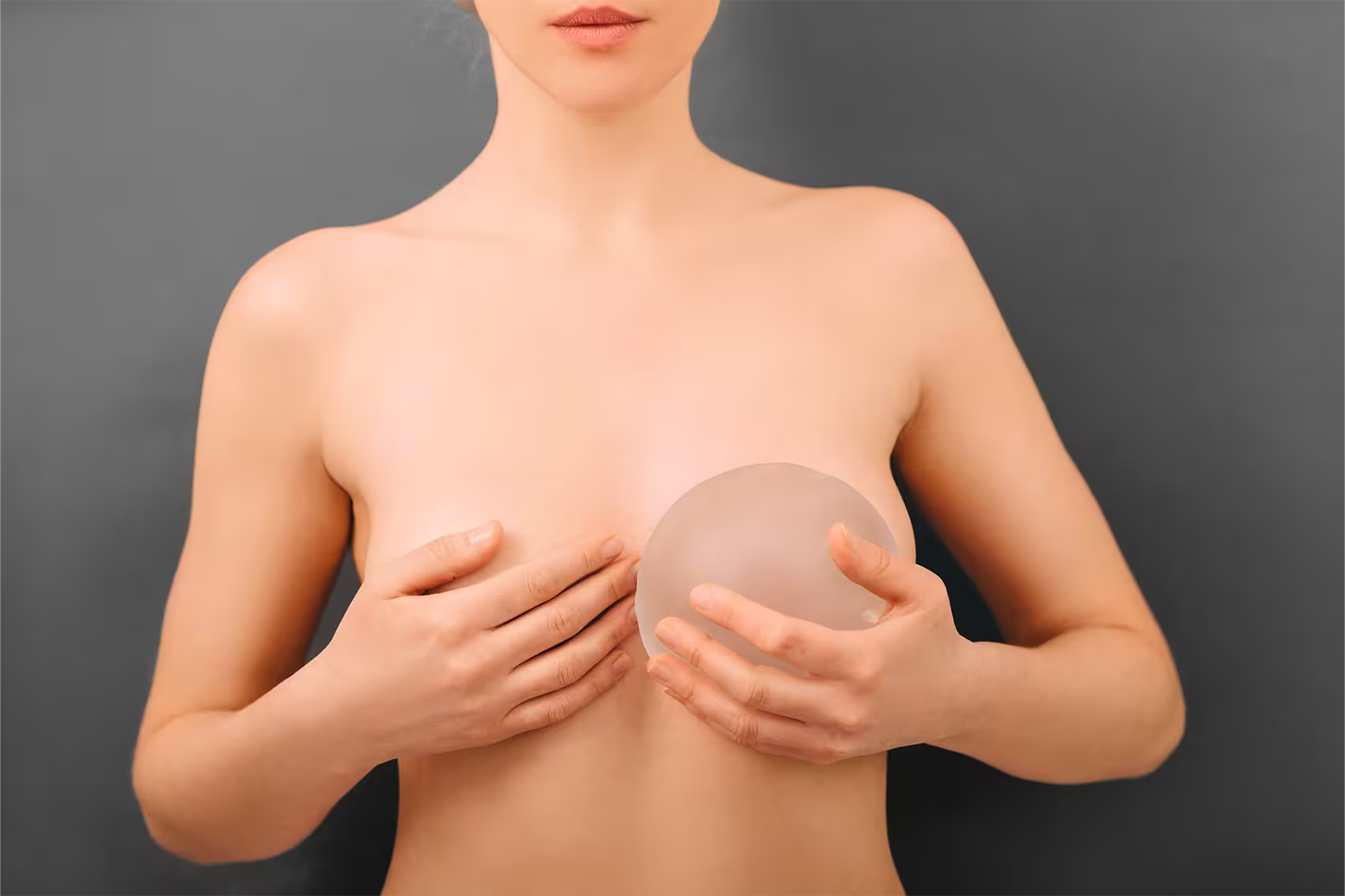
The NHS describes two main types of breast implant, made of silicone or saline.
- Silicone implants: the most common type in the UK. They are less likely to wrinkle and feel more natural, but silicone can spread into the breast and cause lumps if the implant ruptures.
- Saline implants: filled with salt water. They are more likely to fold, rupture or go down over time. If a saline implant goes down or ruptures, the saline is safely absorbed by the body.
You should also discuss the size and shape of the implant, and where it will be placed: behind the breast tissue, or behind the chest muscle. The FDA also notes that implants have different surface types (smooth and textured), and that a rare cancer called BIA-ALCL appears more often in patients with textured implants (see the risks section). Ask your surgeon which implant they recommend, which manufacturer it comes from, and why.
Who Is a Good Candidate for Breast Augmentation in Istanbul?
Your surgeon decides this at an assessment. They will look at your breast size and shape, skin, general health and medical history, and discuss your goals and expectations. People who are unsure about surgery, or who are under pressure from someone else to have it, should take more time before deciding.
How the Breast Augmentation Procedure Works
According to the NHS, breast implant surgery is usually carried out under general anaesthesia. The operation involves:
- Making a cut (incision) in the skin next to or below the breast
- Positioning the implant, either between the breast tissue and the chest muscle, or behind the chest muscle
- Stitching the incision and covering it with a dressing
The NHS states the operation takes between 60 and 90 minutes. You may be able to go home the same day, or you may need to stay in hospital overnight.
Before You Travel: Preparation Checklist
- Share your full medical history, medicines and any previous breast surgery or breast problems
- Ask your surgeon about the exact implant (type, manufacturer, size, shape) and where it will be placed
- Keep the implant details (the implant card or record) so you can show them to any doctor later
- Plan help at home for the first days after you return
- Ask how long you should stay in Istanbul and do not fly until your surgeon clears you
- Ask how follow-up will work after you go home
Breast Augmentation Recovery: What to Expect
The NHS says you should be able to move around soon after surgery, and that it can take a few weeks to fully recover. The timeline below is a general guide. Your surgeon’s instructions always come first.
| Time | What many patients experience |
|---|---|
| First days | You will be given pain relief if you have discomfort. You should be able to move around soon after surgery. |
| Week 1–2 | Many people take a week or two off work. The NHS advises not driving for at least 1 week. Stitches are removed after 1 or 2 weeks unless they are dissolvable. |
| Around 1 month | Heavy lifting and strenuous exercise are avoided for at least a month (NHS). |
| About 6 weeks | You should be able to return to most normal activities, and scars should start to fade (NHS). |
| After a few months | The breasts should start to look and feel more natural (NHS). Some surgeons recommend a sports bra for up to 3 months, so check with your surgeon. |
The NHS also states that it is safe to sunbathe and to fly if you have breast implants.
Breast Implants Do Not Last a Lifetime
The NHS states that breast implants do not last a lifetime and are likely to need replacing at some point. Some women need further surgery after about 10 years, either because of problems with the implants or because their breasts have changed around them. The FDA also says that breast implants are not considered lifetime devices, that the longer you have them the greater the chance of complications, and that you may need one or more further operations. There is no guarantee of a satisfactory cosmetic result from any re-operation, and not all insurers cover implant removal or replacement.
Risks and Complications of Breast Implants
The NHS lists these possible problems:
- Thick, obvious scarring
- Capsular contracture: the breast feels hard because scar tissue shrinks around the implant
- A ruptured implant, which may cause small tender lumps (siliconomas) and will need to be removed
- Creases or folds in the implant, and rippling
- The implant rotating within the breast, causing an abnormal shape
- Nipple sensation changes, which can be temporary or permanent
- Producing slightly less breast milk when breastfeeding
As with any operation, there is also a small risk of bleeding and blood clots, infection and allergic reaction. The FDA also lists asymmetry, breast pain, hematoma, seroma, delayed wound healing, implant malposition, and visible or palpable implants among complications that occur in at least 1% of patients at some point.
Capsular contracture
Capsular contracture is a hardening of the tissue around the implant. The FDA describes four grades. Grades III and IV are considered severe and may need further surgery. The cause is not known, and it may be more common after infection, hematoma and seroma. It can come back after treatment.
Implant rupture and “silent” rupture
Implants can rupture at any time, and the longer an implant is in place, the greater the chance. The FDA explains that most silicone implant ruptures have no symptoms (“silent ruptures”), so they may not be detected by examination alone. MRI is the most effective way to detect a silent rupture, and the FDA says ultrasound is an acceptable alternative for people without symptoms. Ask your surgeon how your implants should be monitored.
BIA-ALCL
Both the NHS and FDA note an association between breast implants and an uncommon cancer of the immune system called breast implant-associated anaplastic large cell lymphoma (BIA-ALCL), which can develop in the scar tissue around the implant. The NHS describes it as affecting a very small number of people. The FDA notes it appears more often in patients with textured implants. If you have persistent swelling, pain or changes around your implant, contact your surgeon or doctor for evaluation. The FDA has also reported other rare cancers in the scar tissue around implants, including squamous cell carcinoma and various lymphomas, and continues to review the data.
Breast implant illness
Some people report symptoms such as tiredness, memory problems, “brain fog”, rash and joint pain after breast implants, sometimes called breast implant illness. The FDA says these symptoms and their causes are poorly understood and are being researched, and that in some cases removal of the implants without replacement has been reported to reverse symptoms. The FDA has not detected an association between silicone gel-filled implants and connective tissue disease, breast cancer or reproductive problems.
Breastfeeding
The FDA notes that some women with breast augmentation can breastfeed successfully and some cannot.
Breast screening after implants
The NHS states you can still get breast cancer after breast implants, so you should keep checking your breasts and report any changes quickly. You should still have regular breast screening (mammograms), which are safe and do not cause implants to rupture. Tell the person doing your mammogram that you have implants, because they may need to take the images differently.
Breast Augmentation Cost in Turkey
The cost of breast augmentation in Turkey depends on several things:
- The type, brand and size of the implants
- The surgical technique and implant placement
- Whether other procedures are combined, such as a breast lift
- The hospital and length of stay
- What the package includes, such as tests, medicines, garments, transfers and follow-up
As the NHS notes, the quoted price often does not include consultations or follow-up care, and you may need to pay for further surgery in the future. The clinic provides a personalised quote after reviewing your photos and medical history. Check exactly what is included, and ask who covers complications and any future revision.
Why Choose Istanbul for Breast Augmentation?
Istanbul is a major destination for medical travel, with hospitals used to treating international patients and direct flights from many countries. When you consider breast augmentation in Istanbul, decide based on the surgeon’s qualifications, the implant and technique, the hospital and the follow-up plan.
Questions to ask your surgeon
The NHS suggests asking your surgeon:
- About their qualifications and experience, and professional memberships
- How many breast enlargement operations they have performed
- How many operations they have performed where there were complications
- About the type and manufacturer of the implant and why they use it
- About the surgical technique and where the implants will be placed
- What results you can realistically expect
- What follow-up to expect if things go wrong
- About alternatives to implants
Always speak to the surgeon before you decide to have the procedure, and ask about video consultations if you live abroad.
Breast Augmentation Before and After
When you look at before and after photos, compare patients with a similar body shape and breast size, and look for photos at several stages. Early photos show swelling, and the final result appears later. You can view examples on our before and after results page. Individual results vary.
Related Procedures
Some people have a breast lift together with implants if the breasts sag. See our breast aesthetics page for related procedures. Combining procedures can add to operating time and recovery demands, so your surgeon will decide what is safe for you.
Breast Augmentation Turkey: Frequently Asked Questions
What types of breast implants are there?
The two main types are silicone and saline. They differ in feel and in what happens if they rupture. Your surgeon can explain which suits you.
How long do breast implants last?
They do not last a lifetime. Some people need further surgery after about 10 years, and the longer you have implants the greater the chance of complications.
How long is recovery after breast augmentation?
Many people take one to two weeks off work and return to most normal activities by about 6 weeks. Heavy lifting and strenuous exercise are avoided for at least a month. Follow your surgeon’s advice.
Can I fly after breast augmentation?
The NHS states it is safe to fly if you have breast implants. Your surgeon will tell you when you are cleared to travel home after surgery.
Can I still have mammograms with implants?
Yes. Mammograms are safe with implants, but tell the person doing the scan about them.
What is capsular contracture?
It is a hardening of the scar tissue around an implant, which can cause firmness and pain. Severe cases may need further surgery.
Is breast augmentation in Turkey safe?
Safety depends on patient selection, the surgeon’s qualifications, the implant, the hospital and aftercare, not on the country alone. Ask the questions listed above before you travel.
How much does breast augmentation cost in Turkey?
It depends on the implants, the technique, any combined procedures, the hospital and what the package includes. You receive a personalised quote after your consultation.
Sources and Further Reading
Your Next Step
If you are considering breast augmentation in Istanbul, you can request a free online consultation with Prof. Dr. Özgür Pilancı. Share your photos and questions, and the team will advise whether you may be a suitable candidate and discuss the options and risks openly.
Request a free online consultation
See also our other plastic surgery guides.
This guide is for general information and does not replace a medical consultation. Individual results vary.